
 Vahchef with Indian food videos inspires home cooks with new recipes every day.
Vahchef with Indian food videos inspires home cooks with new recipes every day.
Vahchef with Indian food videos inspires home cooks with new recipes every day.

The seeds of the rice plant are first milled using a rice huller to remove the chaff (the outer husks of the grain). At this point in the process, the product is called brown rice. The milling may be continued, removing the 'bran', i.e., the rest of the husk and the germ, thereby creating white rice. White rice, which keeps longer, lacks some important nutrients; in a limited diet which does not supplement the rice, brown rice helps to prevent the disease beriberi. White rice may be also buffed with glucose or talc powder (often called polished rice, though this term may also refer to white rice in general), parboiled, or processed into flour. White rice may also be enriched by adding nutrients, especially those lost during the milling process. While the cheapest method of enriching involves adding a powdered blend of nutrients that will easily wash off (in the United States, rice which has been so treated requires a label warning against rinsing), more sophisticated methods apply nutrients directly to the grain, coating the grain with a water insoluble substance which is resistant to washing.
Rice ( Pressed ) also known as
| Language | Ingredient Name |
|---|---|
| Bangali | Chira |
| Gujarati | Pohwa |
| Hindi | Chudwa |
| Kannada | Avalakki |
| Kashmiri | |
| Malyalam | Aval |
| Marathi | Chuda |
| Oriya | Chuda |
| Tamil | Arisi aval |
| Telugu | Atkulu |
 Easy recipes
 Healthy Recipes
 Dessert Recipes
 Mutton and Lamb
  Indian Bread Recipes
 Dal Recipes
 Chutney and Pickles
  Indo-Chinese Recipes
 Snacks and Appetizers
 Low Fat Recipes
 Chaat Recipes
 Biryani and Rice
  Curry Recipes
 Indian Sweet Recipes
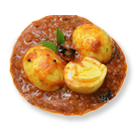 Egg Recipes
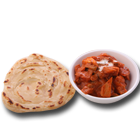 Paneer Recipes
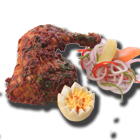 Chicken Recipes
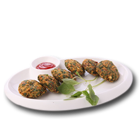 Indian tiffins
 Egg less Recipes
 Soups and Salads
 Indian Sea Food
 Manchurian Recipes
 Indian Drinks Recipes
 Dinner Recipes